Join us as we Move for More this October in support of Suicide Prevention Australia. Find out more at Aurora Move for More
Join us as we Move for More this October in support of Suicide Prevention Australia. Find out more at Aurora Move for More
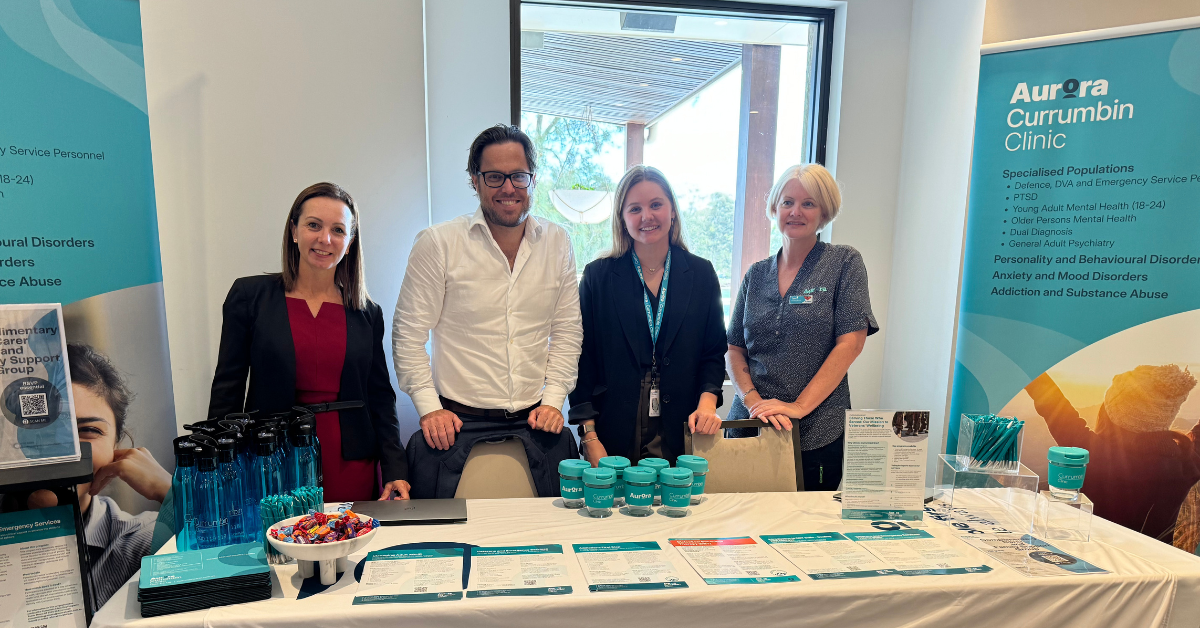
Leading psychologists, psychiatrists and GPs gathered at Currumbin Clinic last week to explore the next phase of the clinic's specialist Trauma Program, reinforcing the importance of evidence-based care and multidisciplinary collaboration in the treatment of PTSD and trauma.
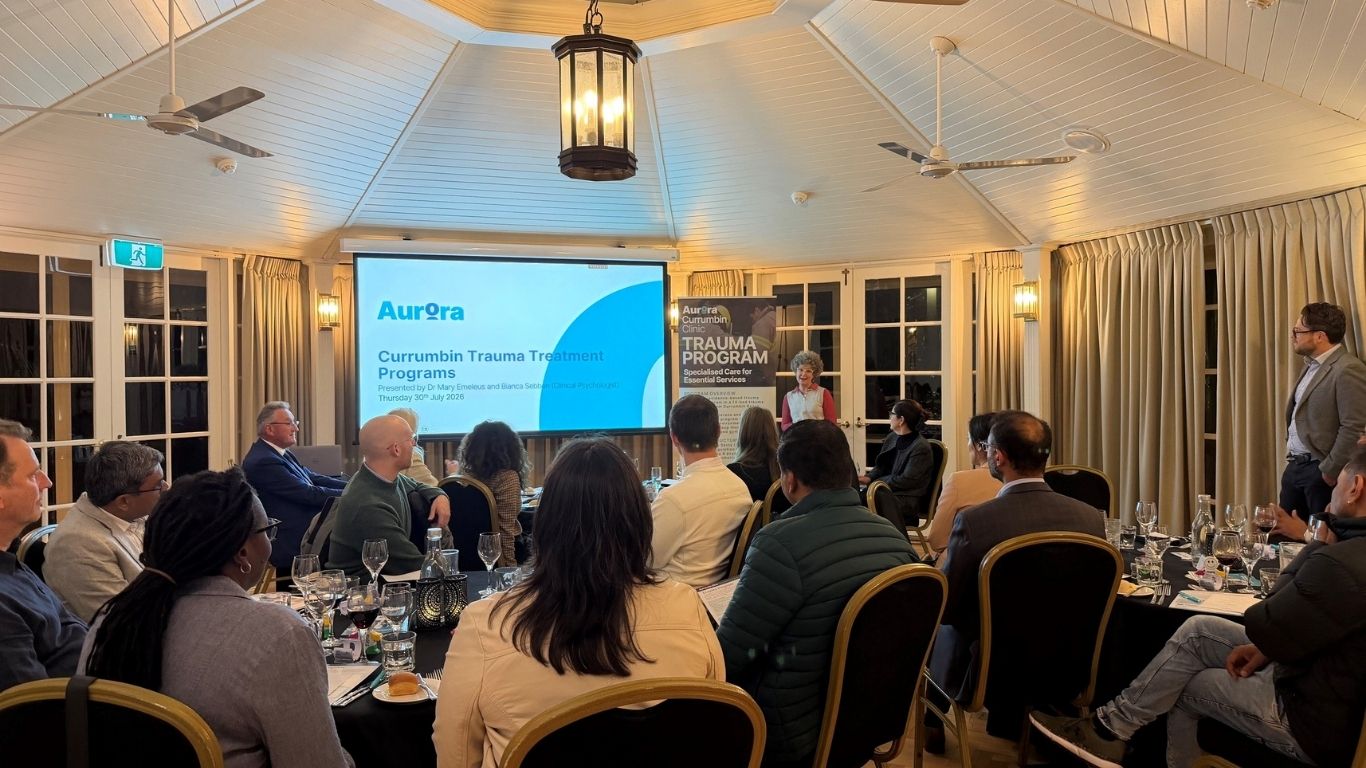
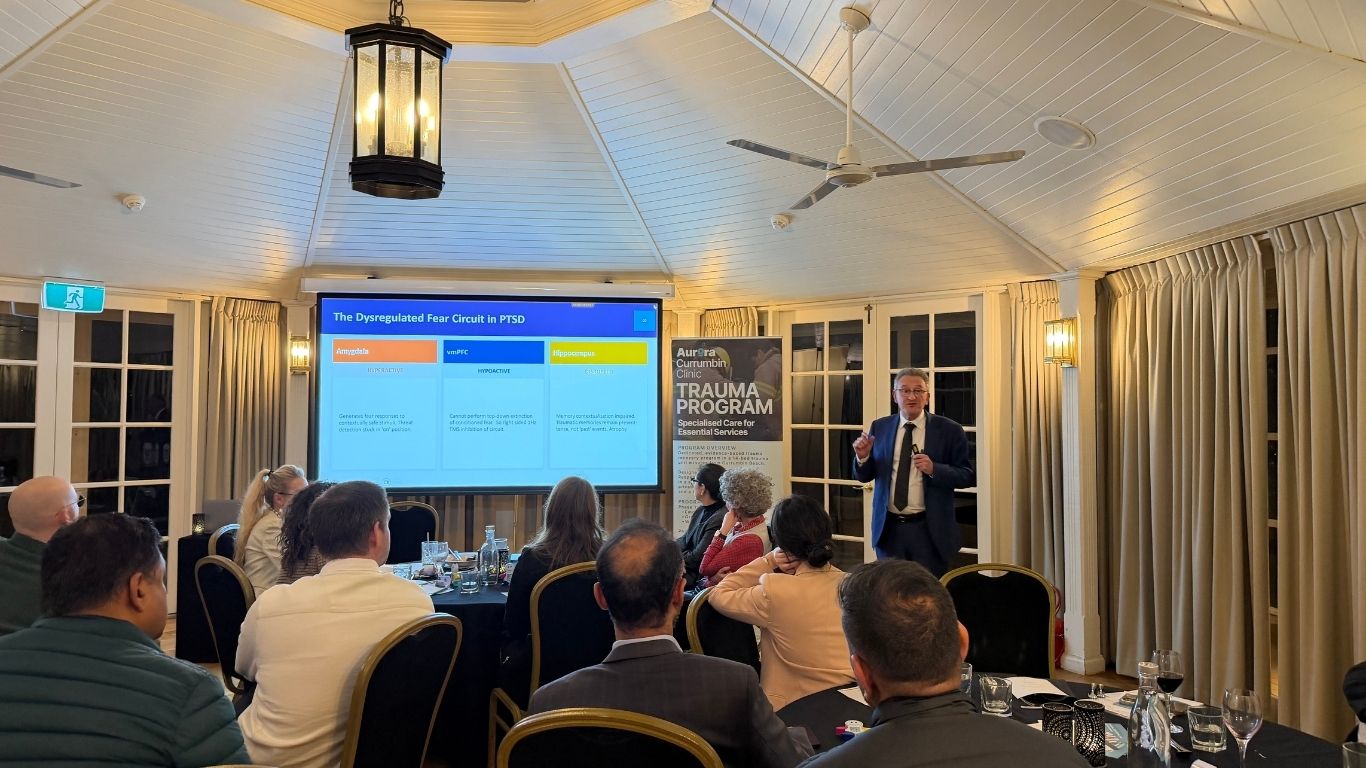
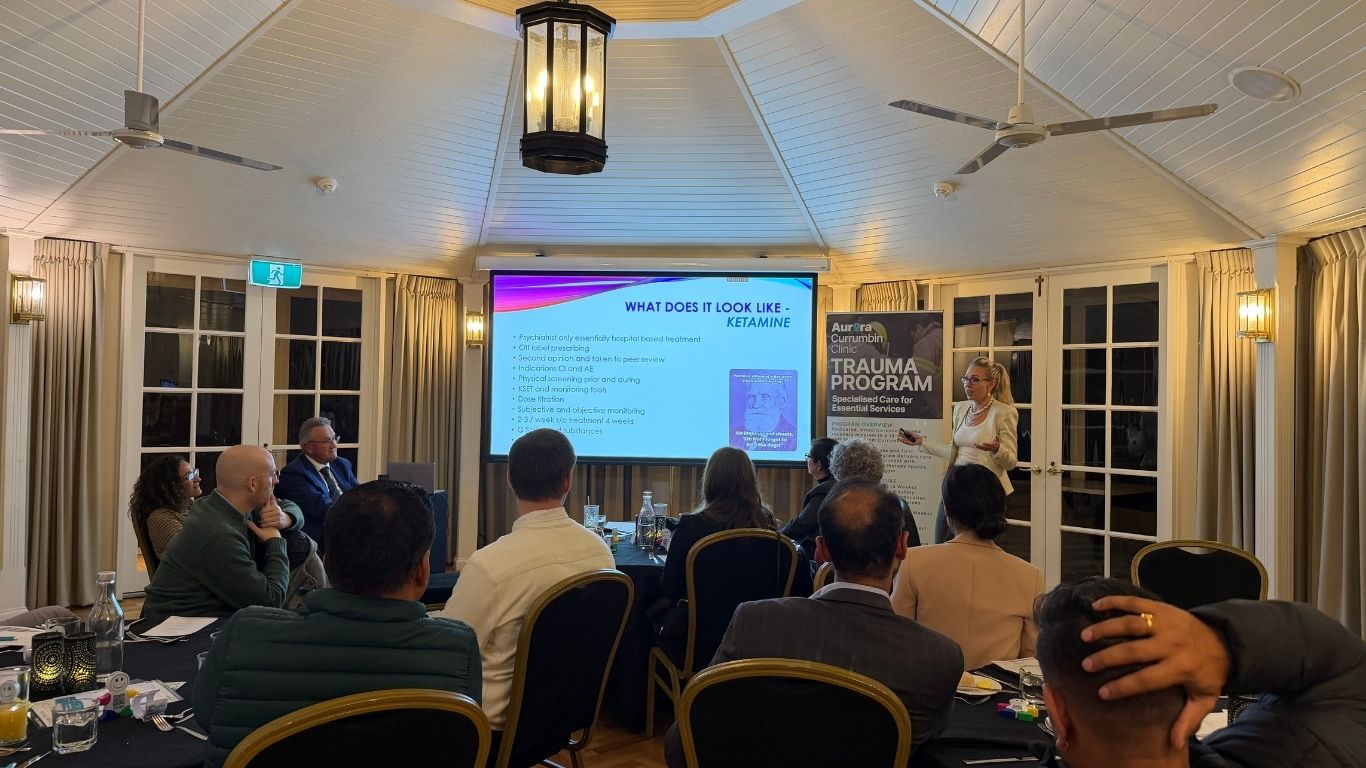
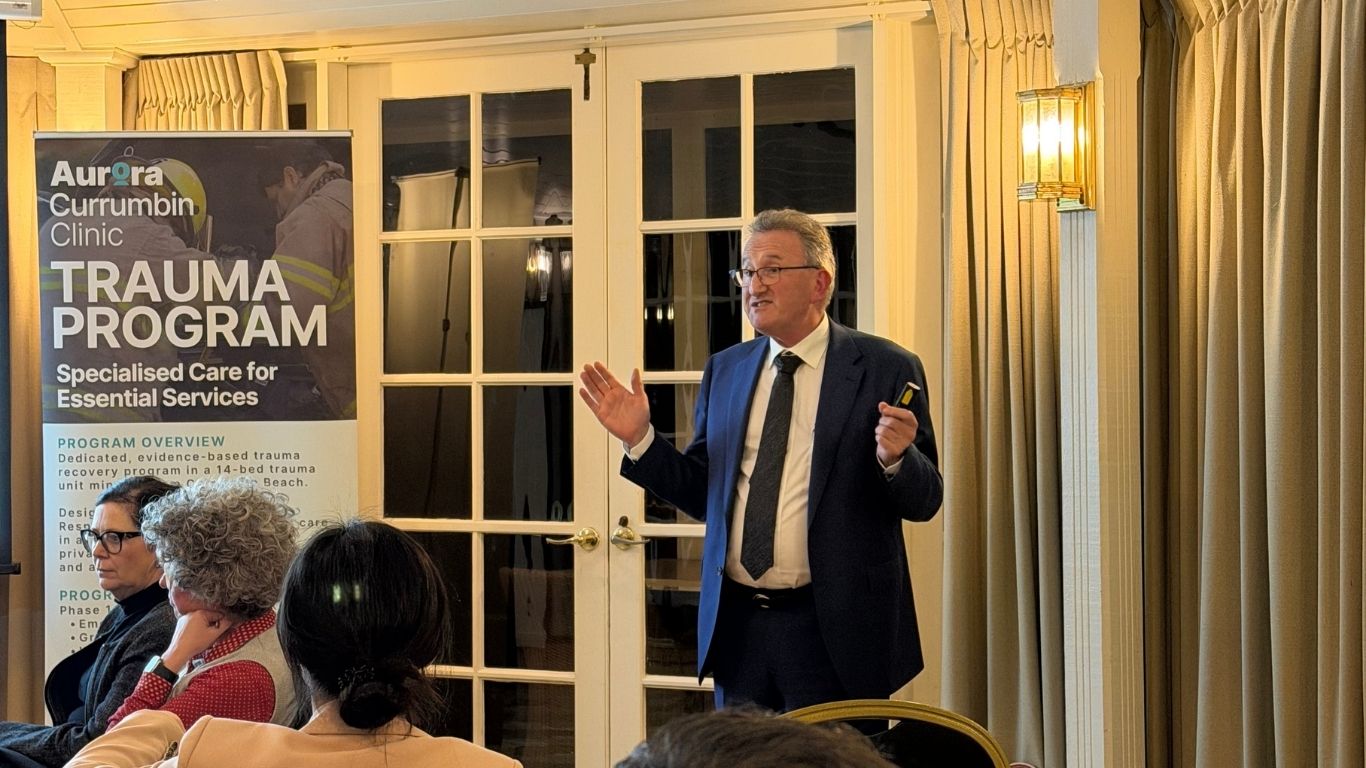
The intimate educational evening focused on Trauma Processing and Integration, a key component of Currumbin Clinic's comprehensive PTSD treatment pathway. The event provided an opportunity for healthcare professionals to discuss emerging evidence, share clinical experiences and explore best-practice approaches to helping people recover from trauma.
Guests heard from respected trauma clinicians:
The evening sparked valuable discussion around trauma-informed care, patient readiness for trauma processing, and the role of collaborative treatment planning in achieving positive long-term outcomes.
Post-Traumatic Stress Disorder (PTSD) and trauma can have a profound impact on every aspect of a person's life, affecting relationships, employment, physical health and emotional wellbeing.
As awareness and understanding of trauma continue to grow, so too does the need for specialist treatment programs that combine evidence-based therapies with personalised care.
At Currumbin Clinic, trauma recovery is viewed as a journey rather than a single intervention. The clinic's dedicated Trauma Program has been specifically designed to help people build resilience, process traumatic experiences safely, and regain confidence in their daily lives.
Currumbin Clinic's Trauma Program supports individuals diagnosed with PTSD following a work-related traumatic incident through a carefully staged treatment approach.
The first stage of treatment focuses on helping patients understand the effects of trauma, develop emotional regulation skills and establish the foundations required for deeper therapeutic work.
This stage includes:
Once patients have developed sufficient stability and readiness, they may progress to the second phase of the program.
This intensive stage includes:
Importantly, progression to trauma processing is guided by clinical readiness rather than arbitrary timelines, ensuring treatment is tailored to each individual's needs.
One of the strongest themes emerging from the evening was the critical role of collaboration between GPs, psychologists and psychiatrists.
Trauma recovery is most effective when healthcare professionals work together, sharing insights and coordinating care throughout a patient's treatment journey.
The conversations throughout the event highlighted how integrated care pathways can help improve outcomes for patients living with PTSD while strengthening communication between referrers and specialist mental health services.
At Currumbin Clinic, collaboration is embedded into every stage of treatment because better-connected care leads to better patient outcomes.
Under the leadership of Dr Mary Emeleus, Currumbin Clinic's Trauma Program combines extensive clinical expertise with a compassionate, patient-centred approach. Patients receive care from a multidisciplinary team experienced in trauma treatment, psychotherapy and evidence-based recovery pathways.
With both inpatient and day program options available, the program is designed to support sustainable recovery while providing continuity of care beyond hospital admission.
Currumbin Clinic welcomes referrals for suitable patients diagnosed with PTSD related to a work-related incident. The program is particularly valuable for individuals seeking structured, specialist treatment that progresses from stabilisation through to trauma processing and long-term integration.
Our team works closely with referring GPs, psychologists, psychiatrists, insurers and rehabilitation providers to ensure patients receive coordinated, evidence-based care throughout their recovery journey.
We thank everyone who joined us for this highly engaging evening of education and collaboration. As the field of trauma treatment continues to evolve, Currumbin Clinic remains committed to advancing clinical excellence and providing leading PTSD and trauma recovery programs for Australians seeking lasting healing and recovery.
To discuss a referral to the Currumbin Clinic Trauma Program, contact our Admissions Team on 1800 119 118 or currumbin.admissions@aurorahealth.com.au or submit via our online form.