Join us as we Move for More this October in support of Suicide Prevention Australia. Find out more at Aurora Move for More
Trauma & PTSD Treatment
Specialist trauma & PTSD treatment on the Gold Coast.
Trauma and PTSD Treatment on the Gold Coast
Why choose Currumbin Clinic? A Private, Supportive Setting on the Gold Coast
Currumbin Clinic's trauma program helps people understand, manage and minimise the impact of post-traumatic stress disorder (PTSD) and complex trauma. Delivered in a private mental health hospital on the southern Gold Coast, the program offers both inpatient and day-program treatment — a level of care most trauma services can't provide.
About The Program: A Leading Trauma Program on the Gold Coast
The program follows the research-based stage-oriented approach to trauma treatment, delivered across multiple phases. Depending on your care plan, treatment may include:
- Trauma-focused group psychotherapy
- Individual EMDR therapy (Eye Movement Desensitisation and Reprocessing)
- Holistic adjunct groups supporting recovery through exercise, nutrition and art therapy
Your care team includes consultant psychiatrists, a dedicated trauma care coordinator, psychologists, mental health nurses, dietitians and exercise physiologists — all experienced in trauma-informed, recovery-oriented care. Every participant has an individualised care plan developed with the whole team.
Who Our Trauma Program Supports
Our Gold Coast trauma services are suitable for individuals experiencing:
- Post-traumatic stress disorder (PTSD)
- Co-occurring mental health conditions such as anxiety and depression
PTSD Treatment for Essential Services
A dedicated stream supports current and former military personnel, police, paramedics and firefighters, providing culturally informed care and connection through shared experience. Currumbin Clinic is a Tier 1 provider for the Department of Veterans' Affairs (DVA)
More Information on Veterans and Emergency Services Support
A private, supportive setting
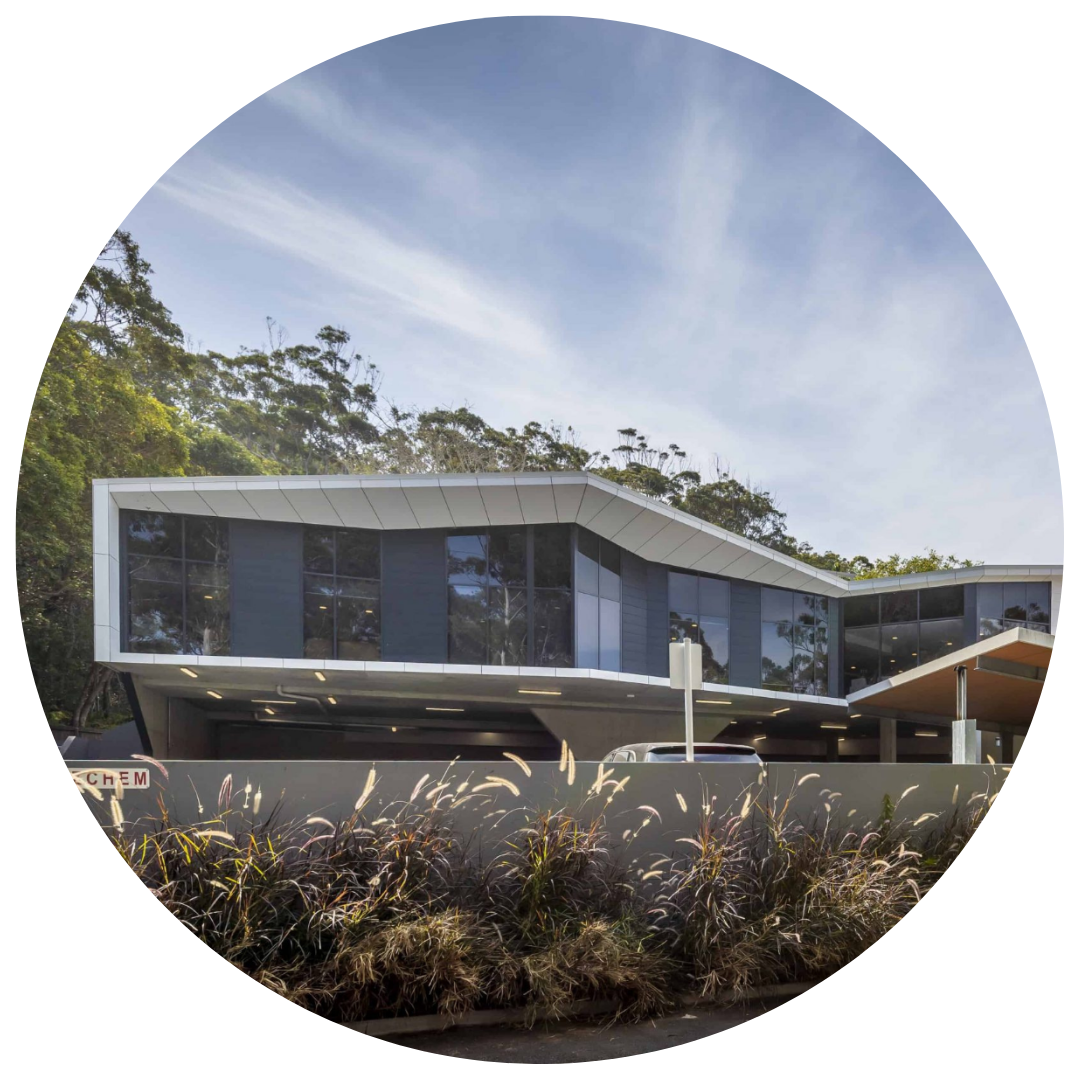
The trauma program has 14 premium rooms overlooking Australian bushland, with dedicated patient and group spaces that foster a sense of community. The hospital includes courtyards, a fully equipped gym and comfortable lounges — and one of Australia's most beautiful beaches is a three-minute walk away. In this calm setting, patients are supported to reconnect, integrate their experiences and build resilience.
Our Team
The Trauma Program at Currumbin Clinic is led by an experienced multidisciplinary team of professionals including consultant psychiatrists, psychologists, mental health nurses, and dedicated exercise physiologist—all experienced in delivering trauma-informed, recovery-oriented care. Each participant’s treatment is tailored through an individualised care plan developed in collaboration with the entire care team.
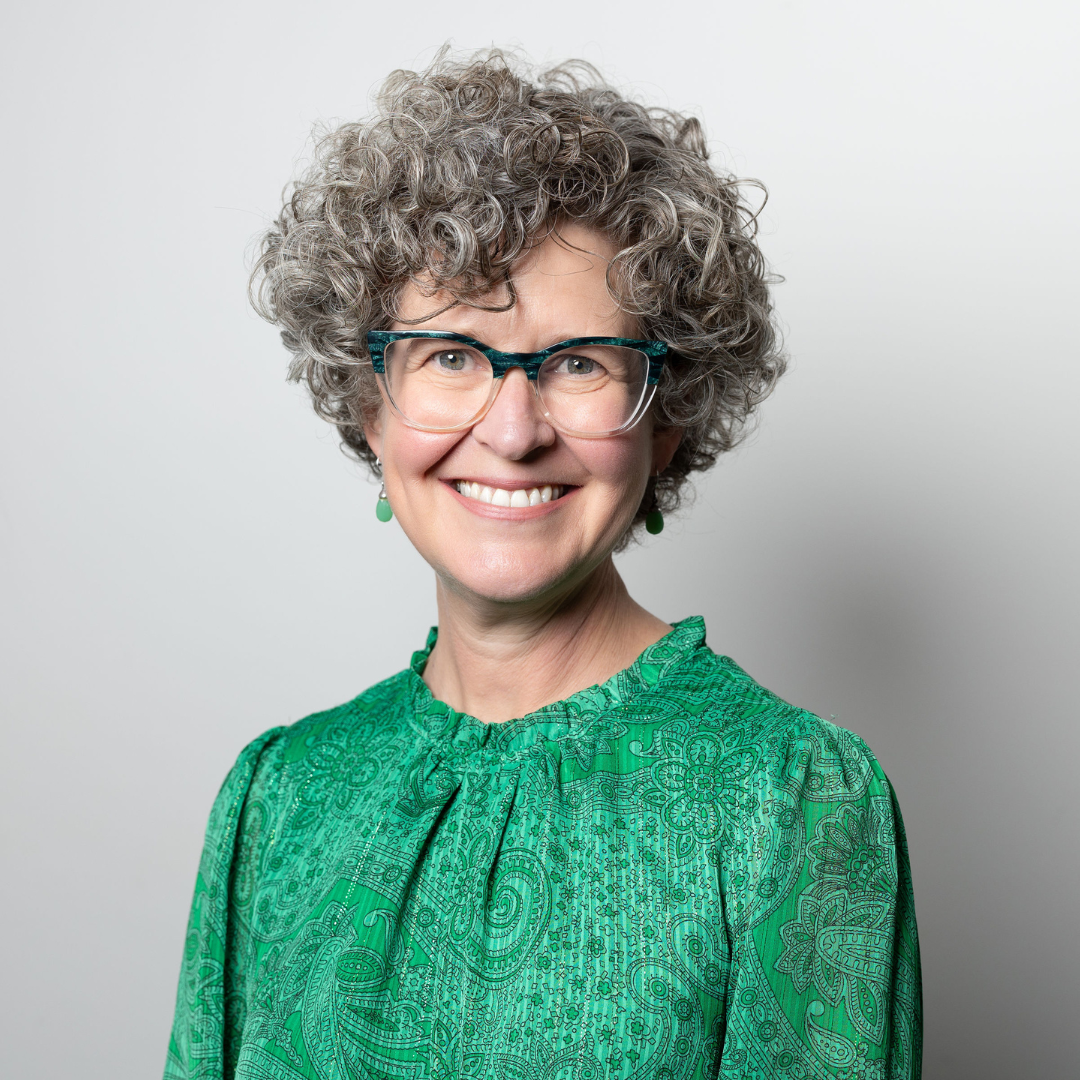
Dr Mary Emeleus
Consultant Psychiatrist and Trauma Treatment Director
Dr Mary Emeleus brings a unique and holistic perspective to trauma recovery, having first trained as a General Practitioner. While working as a GP in a rural community, she completed a Master’s Degree in Mental Health (Psychotherapy) through the University of Queensland in 2004. Over the past two decades, she has provided psychotherapy to a wide range of individuals and has pursued further training and supervision across several therapeutic approaches, most recently completing an Advanced Diploma in Family and Systemic Therapy.
Dr Emeleus has taught mental health skills to health professionals through the Australian Society for Psychological Medicine and James Cook University. She views challenges through a systemic and person-centred lens, helping people reconnect with the inner resources and external supports they need for recovery, healing, and personal growth. Her practice includes a combination of psychotherapy, lifestyle and systemic interventions, and medication management. She also welcomes the involvement of family, allies, and key support people in the treatment process, working collaboratively with colleagues across psychiatry, nursing, general practice, and allied health.
Frequently Asked Questions
What conditions does the trauma program treat?
Our trauma program supports adults living with post-traumatic stress disorder (PTSD), including trauma arising from a single incident such as an assault, accident, natural disaster or critical event, and trauma related to workplace or occupational exposure. This includes current and former Australian Defence Force personnel, veterans, first responders and people managing a workplace psychological injury. Many participants are also experiencing depression, anxiety, sleep difficulties or alcohol and substance use alongside their trauma symptoms, and treatment is planned with the whole picture in mind. The program is not designed to treat complex or dissociative trauma presentations. Every referral is individually assessed, and our Admissions team can help you understand whether the program is the right fit or discuss alternative pathways.
What therapies are used?
The trauma program follows a research-based, stage-oriented approach to trauma treatment, which means we build safety and skills first and only move to trauma processing once you are ready. It is delivered in two sequential phases.
Phase 1: Safety and Stabilisation. The focus is on understanding your symptoms, feeling steadier day to day, and building practical coping skills before any trauma processing begins. Phase 1 combines trauma-focused group psychotherapy with individual psychology sessions.
Phase 2: Memory Processing and Integration. Phase 2 also combines trauma-focused group psychotherapy and individual psychology sessions. Participants are supported in memory processing using Eye Movement Desensitisation and Reprocessing (EMDR) and Cognitive Processing Therapy (CPT). EMDR is an evidenced based treatment for PTSD, delivered on one to one basis with a trained clinician. Whilst Phase 2 is considered 'intensive', we work with the participant to move at a safe pace.
Phase 2 follows Phase 1, and not everyone who completes Phase 1 will move straight into Phase 2. Readiness is assessed by your treating psychiatrist and Trauma Committee, and some participants benefit from more time consolidating skills first. Your care team will talk this through with you.
Across both phases, treatment includes holistic adjunct therapies supporting recovery through:
- Exercise, guided by an Exercise Physiologist
- Nutrition
- Art therapy
Is it an inpatient or day program?
Both. The trauma program is delivered across inpatient and day program settings. Once your inpatient stay finishes, you can continue to be supported as a day patient rather than your care ending abruptly. This means treatment steps down as you progress, and support continues between the two phases of the program while you consolidate your skills and prepare for trauma processing.
The right setting for you is determined with your treating psychiatrist at assessment and reviewed as you progress. Our Admissions team can talk through the options and what each involves.
Is there a PTSD program for veterans and emergency services personnel?
Yes — a dedicated stream for veterans and first responders provides culturally informed care with peers who share similar experiences. Currumbin Clinic is a Tier 1 DVA provider.
Do I need a referral?
Yes — a referral from a GP or psychiatrist is required. Call 1800 119 118 or email currumbin.admissions@aurorahealth.com.au and our team will help you get started.
Will private health insurance cover the program?
Many private health funds cover inpatient psychiatric care depending on your level of cover; DVA cover is also accepted. Contact our team for informed financial consent before admission.
Contact Us
Get Support for Trauma and PTSD Today
For more information please contact our team on
- Email: currumbin.admissions@aurorahealth.com.au
- Phone: 1800 119 118
- Fax: 07 5534 7752